Handrail Size Chart: Complete Handrail Sizes Guide
Handrail Size Chart

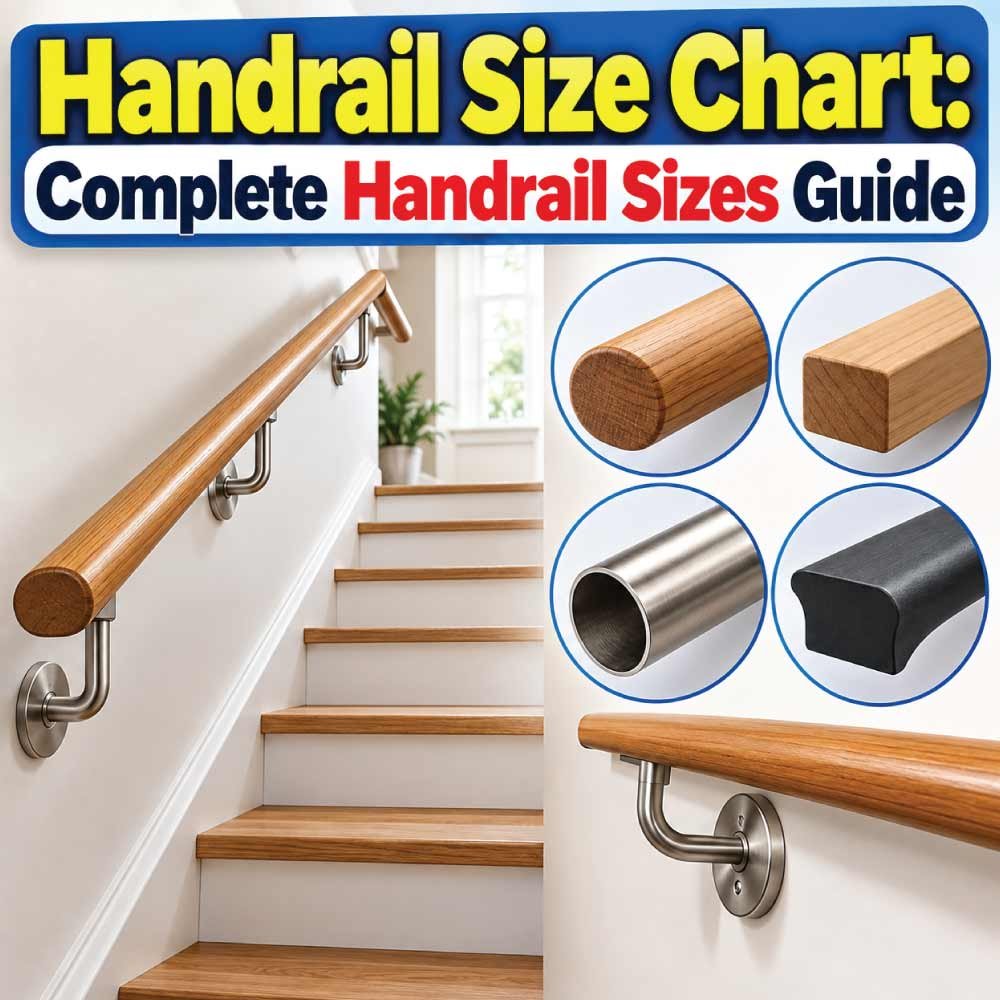
A properly sized handrail makes stairs, ramps, balconies, and other elevated areas easier and safer to use. The right handrail size is not determined by height alone. Diameter, projection, clearance from the wall, mounting position, and the shape of the gripping surface all affect how comfortable and functional a handrail will be. Building requirements can … Read more
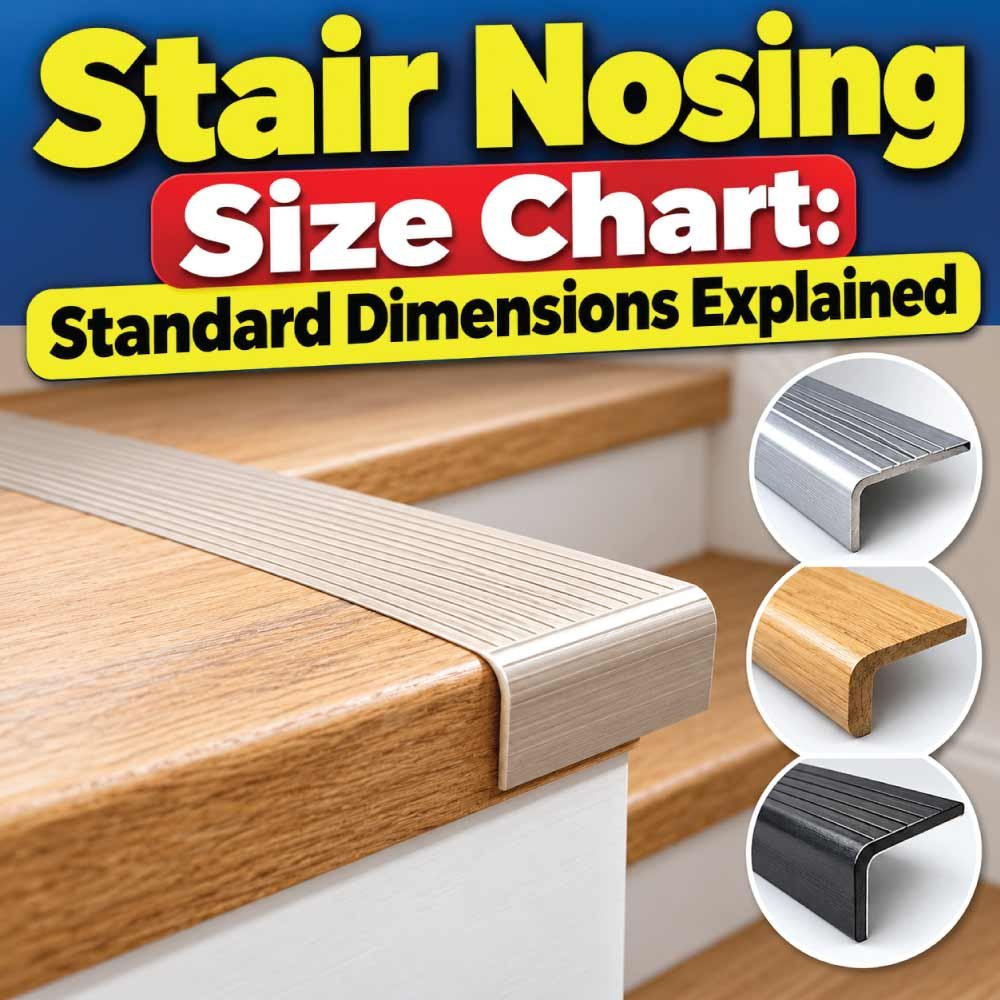
Stair Nosing Size Chart: Standard Dimensions Explained

Stair Nosing Size Chart

Stair nosing is the part of a stair tread that extends beyond the face of the riser, creating a defined front edge for each step. Although it may look like a small detail, stair nosing size has a direct effect on tread depth, foot placement, stair appearance, and overall safety. Choosing the right stair nosing … Read more

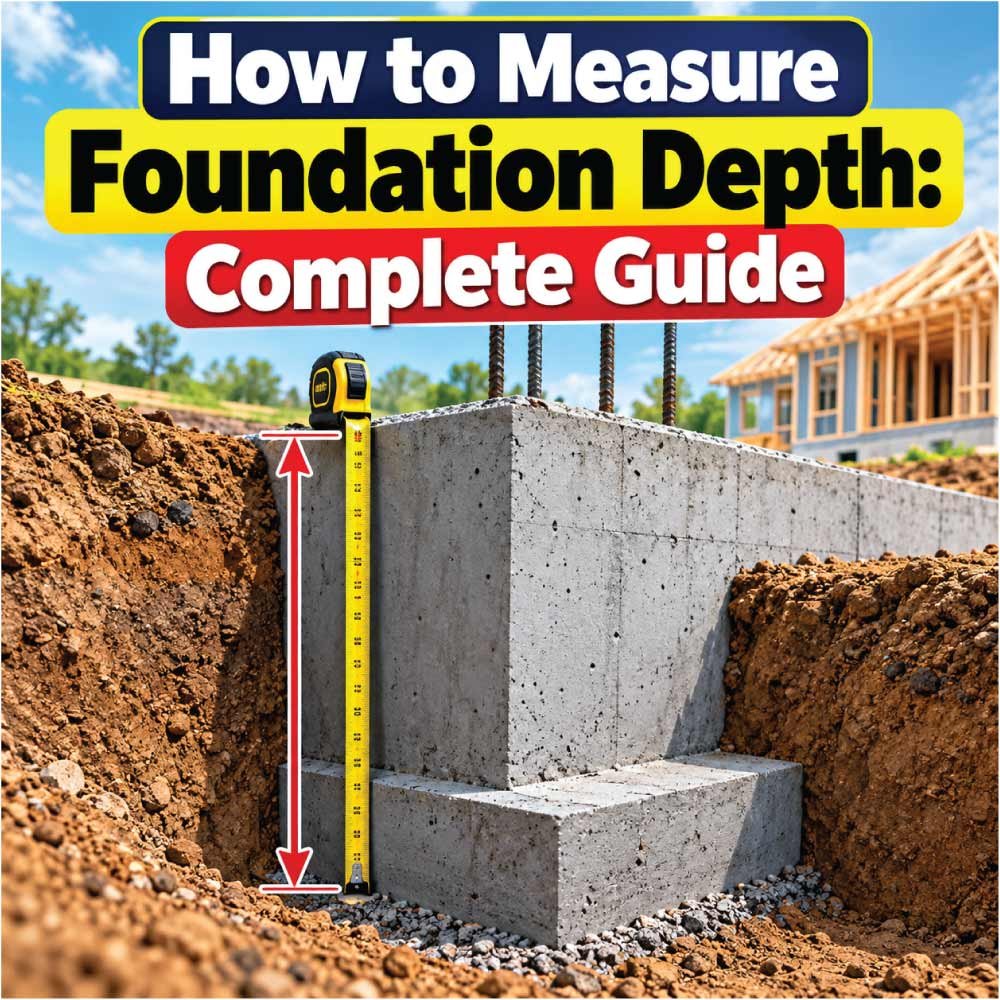
How to Measure Foundation Depth: Complete Guide

How to Measure Foundation Depth

Foundation depth is one of the first measurements to understand before excavation or foundation work begins. Getting the depth right affects how the foundation transfers loads into the ground, how it responds to soil conditions, and whether it can remain stable over time. A foundation that is too shallow may be affected by frost, weak … Read more

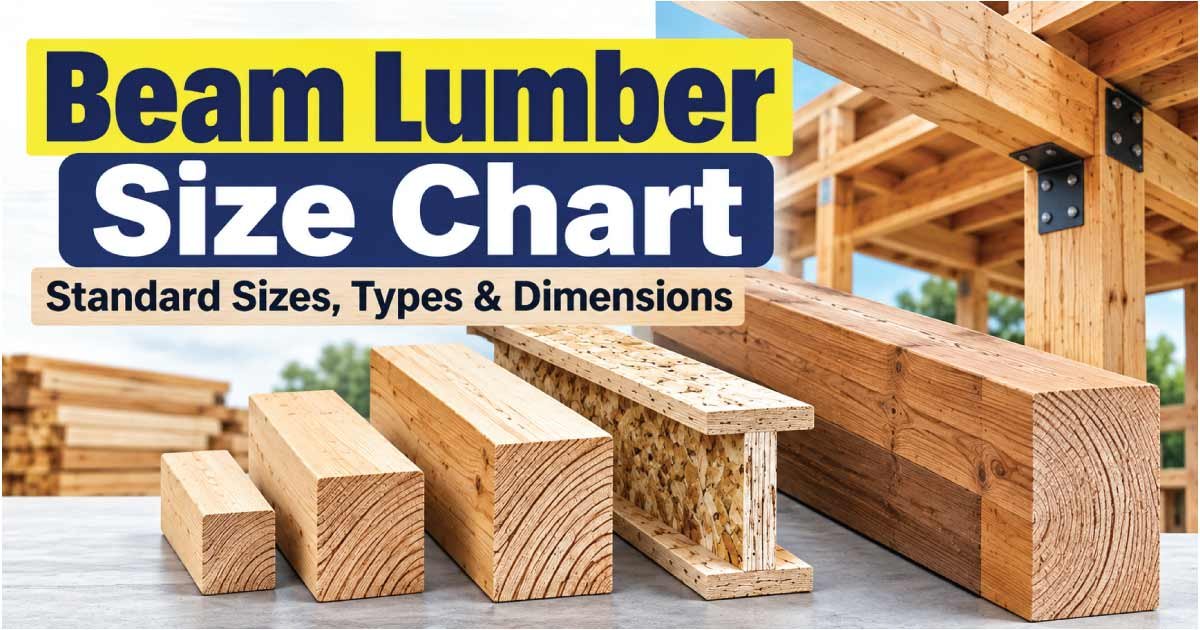
Beam Lumber Size Chart: Complete Standard Sizes

Beam Lumber Size Chart

A properly sized beam is one of the most important parts of many wood-framed structures. Beams transfer loads from joists, rafters, floors, roofs, or other framing members to posts, walls, foundations, or other supports. Because of this, choosing a beam is not simply a matter of picking the thickest piece of lumber available. When comparing … Read more

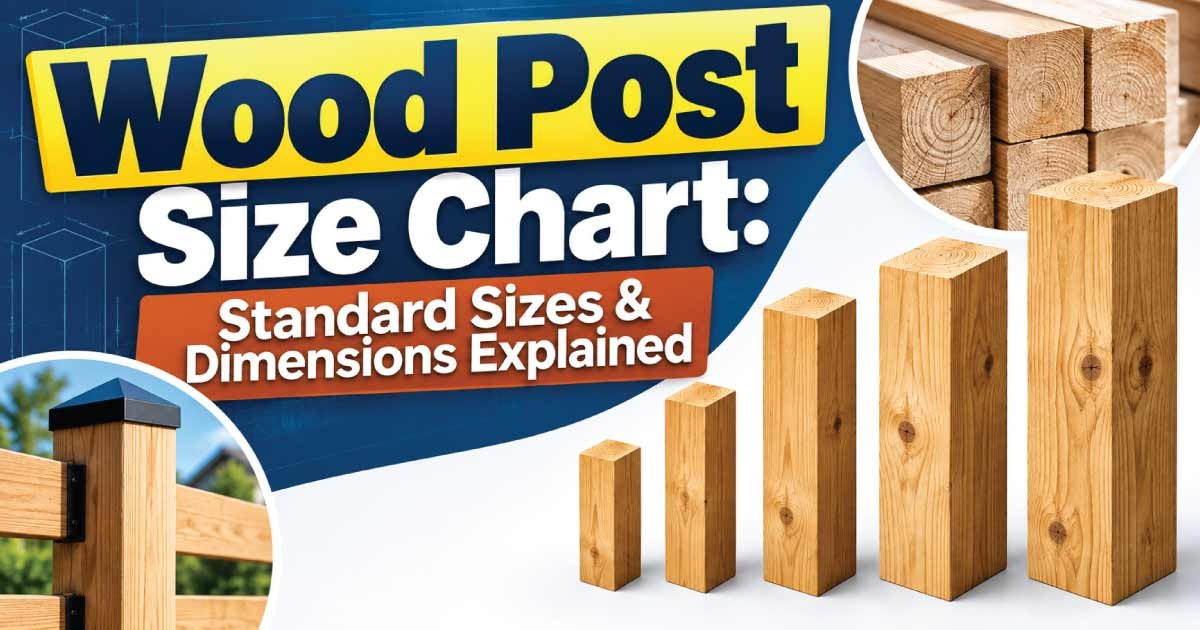
Wood Post Size Chart: Standard Wood Post Sizes

Wood Post Size Chart

Choosing the right wood post size can make a major difference in the strength, appearance, durability, and overall performance of a construction or outdoor project. Whether you are building a fence, deck, pergola, porch, garden structure, mailbox support, or another timber project, the post is one of the components responsible for transferring loads safely into … Read more

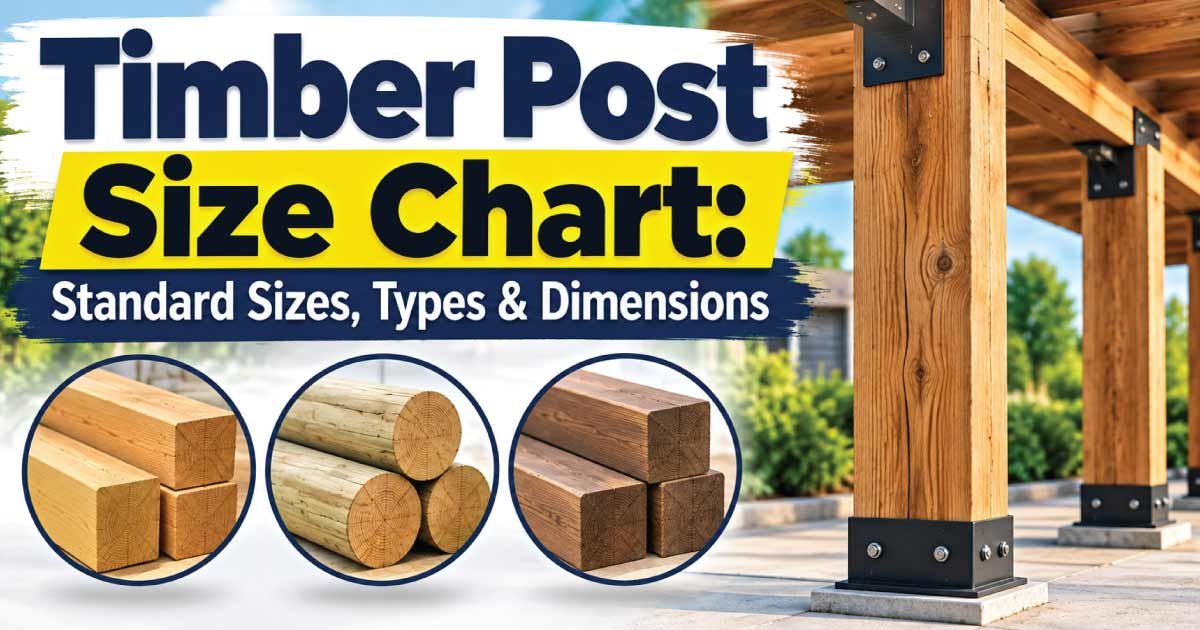
Timber Post Size Chart: Standard Sizes Guide

Timber Post Size Chart

Timber posts are widely used in construction, landscaping, fencing, decks, pergolas, agricultural structures, and other outdoor projects. Choosing the right timber post size is important because the dimensions of a post can affect strength, stability, appearance, durability, and overall project performance. A timber post size chart makes it easier to compare common post dimensions and … Read more

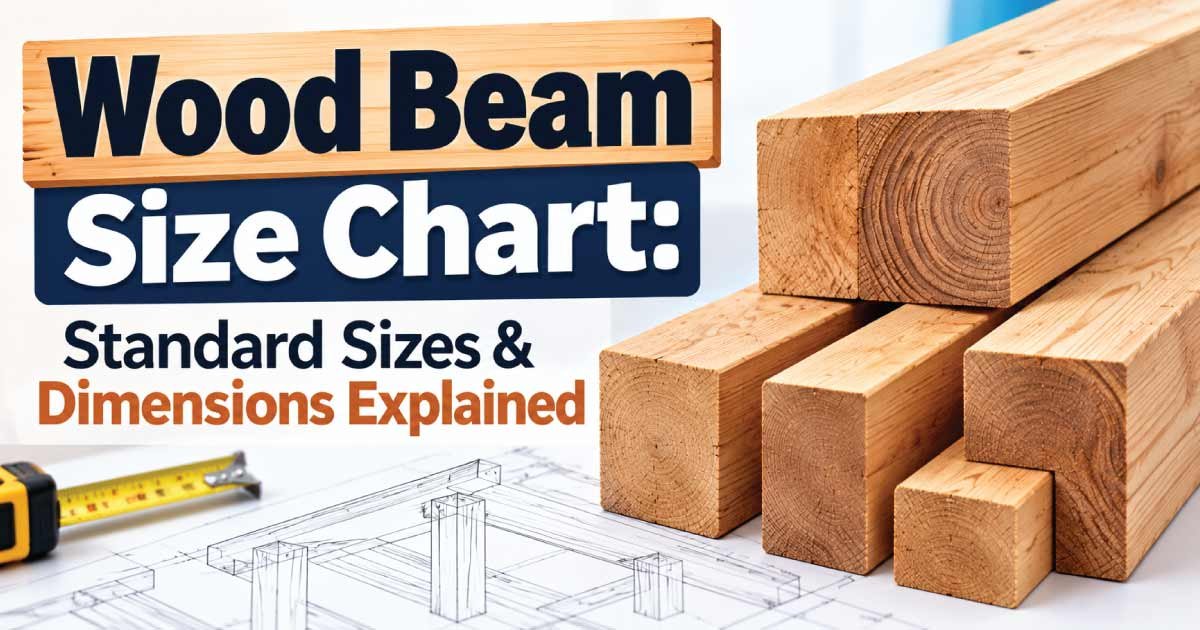
Wood Beam Size Chart: Standard Sizes With Guide

Wood Beam Size Chart

Wood beams are important structural members used to carry and transfer loads in residential construction, decks, roofs, floors, porches, pergolas, garages, and timber-framed structures. Selecting an appropriate beam size is essential because the beam must safely support the loads placed on it while limiting excessive bending and deflection. A wood beam size chart provides a … Read more

Wood Plank Size Chart: Complete Wood Plank Sizes

Wood Plank Size Chart

Wood planks are among the most versatile wood products used in construction, woodworking, furniture making, flooring, shelving, landscaping, and decorative projects. They are available in many widths, thicknesses, and lengths, making it important to understand standard plank dimensions before choosing material for a project. A wood plank size chart provides a quick way to compare … Read more

Wood Batten Size Chart: Standard Sizes Explained

Wood Batten Size Chart

Wood battens are narrow strips of timber used in construction, interior design, roofing, wall cladding, ceilings, fencing, furniture, and many decorative projects. Their relatively small width makes them useful for creating spacing, support, framing, trim, and visual patterns. Choosing the correct batten size depends on how the material will be used. A decorative wall feature … Read more

Furring Strip Size Chart: Complete Sizes Guide

Furring Strip Size Chart

Furring strips are simple pieces of wood or other material used to create a level, even, or offset surface for installing wall coverings, ceilings, insulation, siding, panels, and other building materials. Although they look like ordinary narrow boards, selecting the correct furring strip size is important because the strip can determine the available cavity depth, … Read more